
The Cost of Comfort
The Cost of Comfort
Journey of Men
I get severe muscle cramps. For years I searched for answers,
and I've finally found a few that genuinely help ease the pain
when it hits. It shows up in my fingers, my arms, my chest,
and most often in my legs — sometimes intense enough that
I've lost consciousness from it. It's real, physical discomfort,
and it is not subtle.

But there's another kind of discomfort I've been sitting with
lately, and it has nothing to do with muscles.
Sometimes it shows up in a hard conversation with my wife, a
moment with one of my kids, an offhand comment from a
coworker or a neighbor. Sometimes it's a financial pressure I
didn't see coming. Life happens, and we land in situations we
didn't choose and don't always know how to handle. And once
we're there, discomfort has a strange power — it dominates our
attention.Discomfort often occupies more space in our minds than joy does.
A hundred good things can happen in a single day, and one
uncomfortable moment can still be the thing we carry to bed with
us. One criticism can outweigh ten compliments without even
trying.
So I've been asking myself a harder question lately: what if
comfort itself has weakened us? What if our threshold for
discomfort has dropped so low that ordinary friction — a
disagreement, a delay, an inconvenience — starts to feel
intolerable? I'm not pointing this at anyone else. Vanity and
comfort aren't problems that belong only to other people. They
belong to me too.
A person with purpose can endure an extraordinary amount
of discomfort. Purpose is what makes discomfort bearable.
A husband and wife stay and work through a hard season because
the marriage is worth fighting for. I think a lot of us have simply
lost touch with our purpose along the way. So I'll ask you what I
keep asking myself: what is your purpose? What is your calling?
The future will undoubtedly ask difficult things of us. It always
has. There will be economic hardship, illness, a diagnosis, a
phone call, a loss we couldn't have predicted. The question is not
whether discomfort is coming — it's coming, for all of us. Thequestion is whether we have the ability to endure it.
I'm not claiming to have all the answers, or even all the strength
that will be required of me. But one thing I do know: the things
that have been the most uncomfortable for me to walk through
are the things that have made me stronger.
Leadership is uncomfortable.
Fatherhood is uncomfortable.
Building something of your own is uncomfortable.
Faith is uncomfortable.
My own dark night of the soul — and the godly men and women
who spoke truth and life into me during it — made me deeply
uncomfortable at the time. But it shaped who I am today. I've
grown in my capacity to let discomfort steer me in the right
direction instead of away from it.
Maybe the lesson isn't how quickly I can eliminate discomfort.
Maybe it's whether I can keep my eyes fixed on purpose while the
discomfort is still there. Becoming comfortable in the
uncomfortable is where growth gets to bloom.If discomfort has been loud in your life lately, and purpose feels
harder to locate than it used to — I'd be glad to talk it through
with you.
Start the Conversation →
Freedom
Freedom Isn’t Just External
What Independence Day can teach us about the prisons we carry inside.
Every July, we celebrate a freedom that was won on a battlefield. Fireworks light up the sky. Flags line the streets. We remember men who refused to stay under a rule that no longer served them, and paid the ultimate price to walk free.
But here’s a question worth sitting with : how many of us are still living under a kind of rule we never declared independence from?
Not a government. Not a king. Something quieter - and in some ways, harder to fight.
The Independence We Don’t Talk About
Most men I’ve met are not is trouble with the law. They’re successful. Respected. Capable. From the outside, they look like men who are already free - free to make their own choices, build their own businesses, raise their own families exactly as they see fit.
But sit with one of them long enough, and a different story surfaces, Anger that flares faster than he wants it to. Shame he’s carried since childhood and never told a soul about. Fear that keeps him performing instead of resting. A private habit or addiction he manages beneath the surface. A father wound that quietly shapes every relationship he’s in now, including with his own kids. Every son has a father wound because their is no perfect father.
That’s not freedom. That’s a prison with really nice furniture
A man can be free to do anything we wants to and still not be free on the inside.
Why Internal Freedom Is Harder To Win
External freedom has a clear enemy. You know who’s holding you down, and you know the moment it ends.
External freedom doesn’t work that way. The enemy is often a pattern you inherited - a way your father handled conflict, a message you absorbed about what is means to be a man, a wound you sealed off so long ago you forgot it is still bleeding internally. You can’t declare independence from something you haven’t named. This is where so many good men get stuck. They keep managing the symptoms - the anger, the numbing, the isolation - without ever confronting what’s actually running the show underneath.
Breaking The Cycle Instead Of Managing It
Real change doesn’t come from gritting your teeth and trying harder. It comes from honest examination - looking clearly at where the pattern started, who its protecting you from, and what its costing you now.
For a lot of men, that means finally naming the shame instead of outrunning it. For others, it means recognizing that the hidden addiction was never really about the substance or the screen - it was about the ache it was numbing. And for many, it means understanding the the freedom they are after isn’t just psychological. There’s a reason the deepest invitation to freedom isn’t about circumstances - they’re about truth setting a man loose from the inside out.
You don’t have to stay the man your wounds made you. That’s not denial - that’s the whole point of doing the work.
What True Independence Looks Like
True freedom isn’t the absence of struggle. Its a man who knows who he is and who’s he is, who isn’t ruled by shame or old habits, who can be close to the people he loves, instead of guarded around them, and who is building a life from purpose rather than reacting.
That’s worth celebrating too - maybe more than the fireworks.
This July consider declaring independence from something other that a government.
If your ready to look under the hood at what’s really keeping you from moving ahead. Id be glad to talk with you.

FREEDOM
Freedom Isn’t Just External
What Independence Day can teach us about the prisons we carry inside.
Every July, we celebrate a freedom that was won on a battlefield. Fireworks light up the sky. Flags line the streets. We remember men who refused to stay under a rule that no longer served them, and paid the ultimate price to walk free.
But here’s a question worth sitting with : how many of us are still living under a kind of rule we never declared independence from?
Not a government. Not a king. Something quieter - and in some ways, harder to fight.
The Independence We Don’t Talk About
Most men I’ve met are not is trouble with the law. They’re successful. Respected. Capable. From the outside, they look like men who are already free - free to make their own choices, build their own businesses, raise their own families exactly as they see fit.
But sit with one of them long enough, and a different story surfaces, Anger that flares faster than he wants it to. Shame he’s carried since childhood and never told a soul about. Fear that keeps him performing instead of resting. A private habit or addiction he manages beneath the surface. A father wound that quietly shapes every relationship he’s in now, including with his own kids. Every son has a father wound because their is no perfect father.
That’s not freedom. That’s a prison with really nice furniture
A man can be free to do anything we wants to and still not be free on the inside.
Why Internal Freedom Is Harder To Win
External freedom has a clear enemy. You know who’s holding you down, and you know the moment it ends.
External freedom doesn’t work that way. The enemy is often a pattern you inherited - a way your father handled conflict, a message you absorbed about what is means to be a man, a wound you sealed off so long ago you forgot it is still bleeding internally. You can’t declare independence from something you haven’t named. This is where so many good men get stuck. They keep managing the symptoms - the anger, the numbing, the isolation - without ever confronting what’s actually running the show underneath.
Breaking The Cycle Instead Of Managing It
Real change doesn’t come from gritting your teeth and trying harder. It comes from honest examination - looking clearly at where the pattern started, who its protecting you from, and what its costing you now.
For a lot of men, that means finally naming the shame instead of outrunning it. For others, it means recognizing that the hidden addiction was never really about the substance or the screen - it was about the ache it was numbing. And for many, it means understanding the the freedom they are after isn’t just psychological. There’s a reason the deepest invitation to freedom isn’t about circumstances - they’re about truth setting a man loose from the inside out.
You don’t have to stay the man your wounds made you. That’s not denial - that’s the whole point of doing the work.
What True Independence Looks Like
True freedom isn’t the absence of struggle. Its a man who knows who he is and who’s he is, who isn’t ruled by shame or old habits, who can be close to the people he loves, instead of guarded around them, and who is building a life from purpose rather than reacting.
That’s worth celebrating too - maybe more than the fireworks.
This July consider declaring independence from something other that a government.
If your ready to look under the hood at what’s really keeping you from moving ahead. Id be glad to talk with you.
Freedom
A Father’s Cry
Father's Day can be a time of reflection. Do I need to make peace with my past? Offer forgiveness? Ask honest questions about the path I'm on? Am I a well-grounded man? A man who lives with courage, compassion, integrity, and honesty?
Father's Day can be meaningful, joyful, awkward, painful—or all of the above. For some men, it's a day surrounded by family, laughter, and gratitude. For others, it stirs up memories of loss, disappointment, and questions about what it truly means to be a good father.
I grew up on a farm, milking cows by hand, throwing hay bales, and tilling the soil with horses. I had a hardworking dad who taught me to work hard and was present. But there was still a wall between us. At the age of thirteen, I started to withdraw and look elsewhere for affirmation. I became the prodigal son, looking in all the wrong places for pleasure to ease my pain. I suppressed my deepest thoughts and emotions and just pushed through because vulnerability didn't feel safe.
After experiencing the tragic death of a special friend, I repented of my sinful lifestyle and was adopted into the family of God. Now I had the ultimate personal heavenly Father as my go-to for everything I needed.
Then I became a father myself, and all I knew about being a good father was that I did not want to be like my own. I later had to repent of that vow. It really hurt when my wife would say, "You're just like your dad."
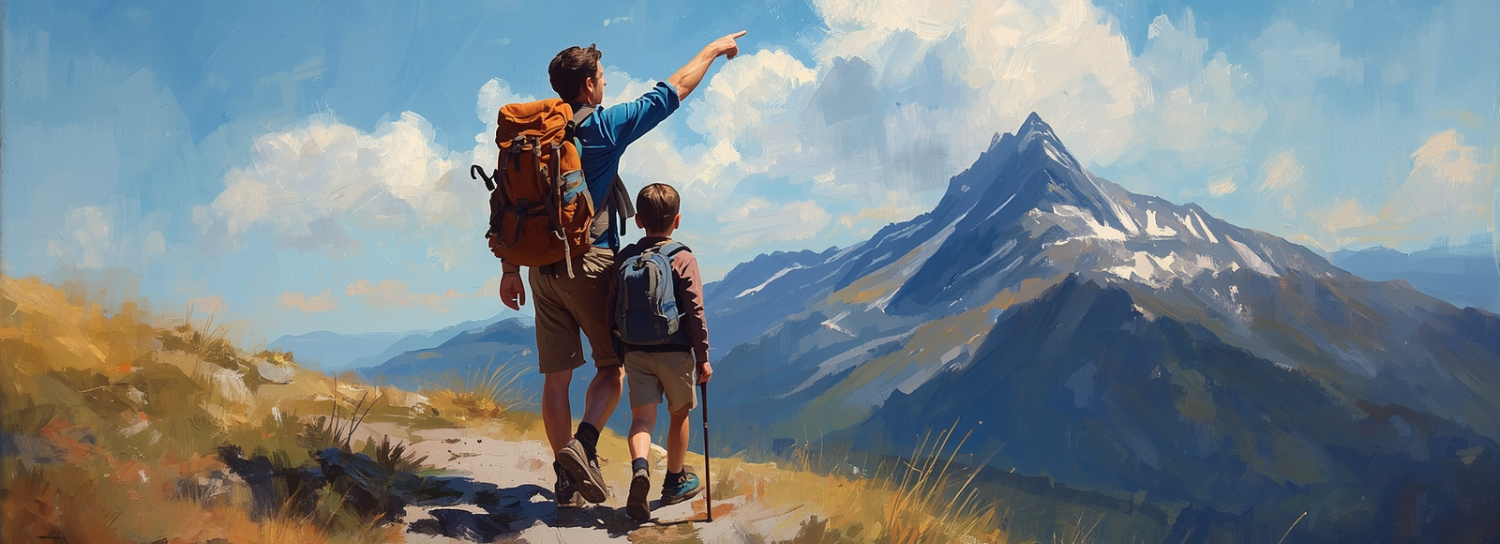
Our culture tends to send confusing messages to men: Be strong, but don't cross into controlling. Be vulnerable and sensitive, but not weak. Many men try to provide for their families while quietly battling anxiety, shame, grief, exhaustion, or insecurity. Some feel disconnected from their wives and children but don't know how to bridge the gap.
In seminary, I learned the difference between a head connection and a heart connection. For the first time, I was in a safe space to open my heart, and all the emotions of the first forty years of my life began to spill over. My heart began to feel alive.
Many men have never had a safe space to talk honestly about any of their experiences. But healthy masculinity was never meant to look like emotional numbness or silent endurance. You can be a man of steel and velvet, as they were never supposed to compete with each other. Some of the strongest men I've known are men who learned how to listen well, apologize sincerely, grieve deeply, love patiently, and walk in authentic manhood.
Later, my father shared his story with me. He told me how distant he felt from his own dad, and for the first time in my life, I saw my father cry. He shared how it felt growing up as a young boy without his dad truly being there for him. We wept together as the wall between us began to come down, brick by brick. It was a bond we cherished until he passed on to meet his heavenly Father.
Father's Day can be a time of reflection. Do I need to make peace with my past? Offer forgiveness? Ask honest questions about the path I'm on? Am I a well-grounded man? A man who lives with courage, compassion, integrity, and honesty?
If you're feeling stuck, disconnected, or simply ready for deeper growth, you do not have to navigate that journey alone. Healthy change begins with honest conversation, and sometimes that conversation can open the door to an entirely different direction.
Wherever you find yourself this Father's Day, I hope you know this: restoration is possible. Growth is possible. Healing is possible. And it's never too late to walk in authentic manhood.
Dance Like No One Is Watching
We often tell ourselves life will be better after…. we turn 16, start dating, get married, have kids, get that promotion, retire.
But when those milestones arrive, new challenges appear - and we shift the goalposts again.
The truth? There is no perfect “when”. Challenges are a part of life, always.
As Alfred D Souza beautifully put it: “For a long time , it seemed life was about to begin—real life. But there was always an obstacle in the way…..until it dawned on me that the obstacles are my life”.
Happiness isn’t waiting at the end of the road. It’s woven into the journey itself.
So choose now: Work like you don’t need the money. Love like you’ve never been hurt. Dance like no one is watching.
Treasure this moment. Life isn’t waiting to be perfect——it’s already happening.
Are you ready to start living (and loving) fully in the present?. What’s the one thing you’ve been waiting for?
We often tell ourselves life will be better after.…we turn 16, start dating, get married, have kids, get that promotion, or retire. But when those milestones arrive, new challenges appear—and we shift the goalposts again.
The truth? There is no perfect "when." Challenges are always a part of life. As Alfred D'Souza beautifully put it: "For a long time, it seemed life was about to begin—real life. But there was always some obstacle in the way... until it dawned on me that the obstacles were my life."
Happiness isn't waiting at the end of the road. It's woven into the journey itself.
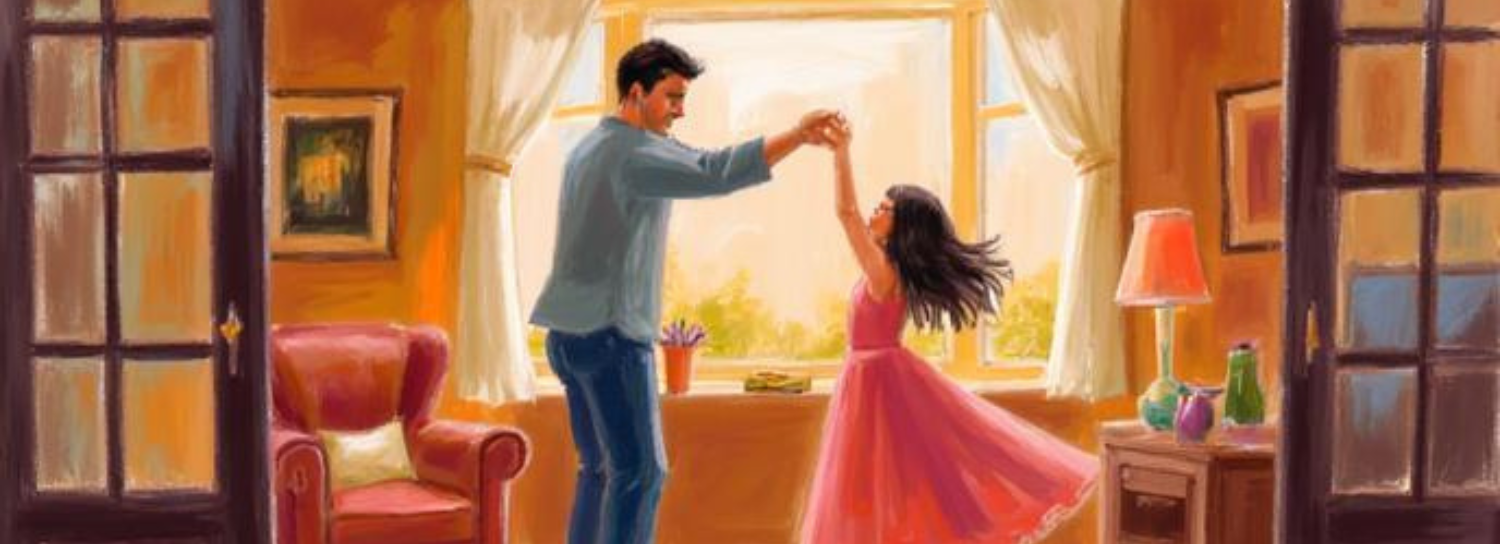
So choose now: Work like you don't need the money. Love like you've never been hurt. Dance like no one is watching. Treasure this moment. Life isn't waiting to be perfect—it's already happening.
Are you ready to start living (and loving) fully in the present? What's the one thing you've been waiting for?
Goal vs Desire
A Goal is a specific, actionable, and measurable plan within your control that you work toward, whereas a desire is an emotional longing, wish, or craving that often lacks a concrete plan.
A goal is a specific, actionable, and measurable plan within your control that you work toward. In contrast, a desire is an emotional longing, wish, or craving that often lacks a concrete plan.
GOALS focus on actions
I am responsible for acting in ways that will accomplish my purpose.
DESIRES focus on feelings
I cannot achieve them through my efforts alone.
I am dependent on others or circumstances to determine the outcome.
We must never assume responsibility for fulfilling our desires.
My need for love, security, significance, and respect comes from God and others.
Action vs. Feeling: Goals are action-oriented and require discipline, while desires are emotional feelings and longings.
Control: Goals are under your direct control, whereas desires often involve external factors beyond your control.
Specificity: Goals are SMART:
Specific
Measurable
Achievable
Relevant
Time-bound
Whereas desires are usually vague and undefined.
Purpose: Goals are what you need to do. Desires are what you want to have.
Why the distinction matters
Treating a desire (uncontrollable) as a goal (controllable) can lead to frustration and disappointment. To achieve results, desires should be converted into concrete goals by defining specific actions, deadlines, and steps.
When our desires are not met, we often become upset, discouraged, and hurt.